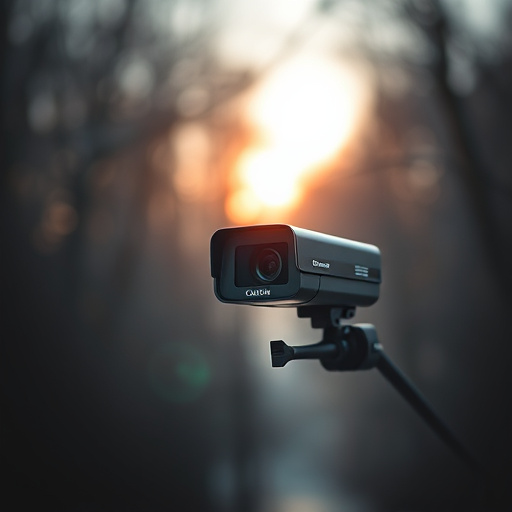
Wireless hidden camera networks offer modern, discreet surveillance solutions for home and business security, utilizing natural-looking cameras disguised as everyday items. Setting up these systems involves strategic placement, line-of-sight considerations, and a central control unit for high-definition streaming and alerts. Post-installation, optimize performance through reliable power, clear feeds, accurate motion detection, and remote access using user-friendly apps.
“Uncover peace of mind with a wireless hidden camera network—a discreet, modern surveillance solution. This comprehensive guide takes you from understanding the basics to mastering setup. Learn how to strategically place natural-looking hidden cameras, set up a central control unit, and configure each device for optimal performance. By the end, transform your space with an advanced security system that blends seamlessly into your environment.”
- Understanding Wireless Hidden Camera Networks
- Choosing the Right Location for Discreet Placement
- Setting Up Your Central Control Unit
- Installing and Configuring Individual Cameras
- Testing and Optimizing Your Networked Surveillance System
Understanding Wireless Hidden Camera Networks
Wireless hidden camera networks offer a modern approach to surveillance, allowing for discreet and flexible monitoring. These systems utilize wireless technology to transmit video feeds from hidden cameras, making them virtually invisible to potential intruders. Unlike traditional wired setups, wireless hidden cameras provide ease of installation and mobility, as they don’t require complex wiring. This makes them ideal for various applications, such as home security, business surveillance, or even environmental monitoring.
One key advantage is the ability to place cameras in hard-to-reach or aesthetically sensitive areas without compromising on video quality. The ‘hidden’ aspect ensures that these cameras blend seamlessly into their surroundings, making them less obtrusive and more effective. Whether it’s a miniature camera disguised as a light bulb or a weatherproof unit hidden among outdoor plants, wireless hidden cameras that look natural offer unparalleled discretion for those seeking robust surveillance solutions.
Choosing the Right Location for Discreet Placement
When setting up a wireless hidden camera network, choosing the right location for discreet placement is paramount. Opt for areas that blend seamlessly into the environment, such as faux rock or tree cameras, to ensure natural looking surveillance. These hidden cameras are designed to go unnoticed, making them ideal for monitoring entryways, windows, and other high-risk zones without raising suspicion.
Consider factors like lighting, line of sight, and potential obstructions when selecting a spot. Proper placement ensures clear video feed while maintaining the camera’s covert nature. By strategically positioning these natural-looking hidden cameras, you can create an effective surveillance system that provides peace of mind and enhances security without compromising aesthetics.
Setting Up Your Central Control Unit
Setting up your central control unit is a crucial step in creating a comprehensive wireless hidden camera network. This unit acts as the brain of your surveillance system, allowing you to monitor and manage all connected cameras remotely. When selecting a control unit, consider features like high-definition video support, remote access capabilities, and motion detection alerts for optimal functionality.
Ensure your chosen unit is compatible with your desired setup—whether it’s monitoring indoor spaces or outdoor areas. With the right control unit, you can seamlessly integrate hidden cameras that blend seamlessly into their surroundings, offering natural-looking solutions for discreet surveillance.
Installing and Configuring Individual Cameras
When setting up a wireless hidden camera network, installing and configuring individual cameras is a crucial step. Each camera should be strategically placed to achieve the desired coverage while maintaining a natural appearance. Hidden cameras that look natural are key; they should blend seamlessly into their surroundings, whether it’s a ceiling fixture, potted plant, or book on a shelf. Ensure each camera has clear line-of-sight to its target area and is connected to a reliable power source for uninterrupted surveillance.
After physical installation, configuring the cameras involves setting network parameters, including IP addresses, Wi-Fi credentials, and data encryption to ensure secure transmission. Most modern hidden cameras come with user-friendly apps that guide you through this process, making it accessible even for tech beginners. This setup allows for remote access via smartphones or computers, enabling continuous monitoring or specific event triggering based on motion or audio detection.
Testing and Optimizing Your Networked Surveillance System
After setting up your wireless hidden camera network, it’s crucial to test and optimize its performance to ensure you get the best surveillance coverage. Start by verifying the internet connection at each camera location; a stable and strong signal is essential for smooth video transmission. Use your system’s app or software to check live feeds from every camera, ensuring they are clear and uninterrupted.
Next, assess the field of view provided by each hidden camera. Natural-looking hidden cameras should offer a comprehensive view without appearing obtrusive. Adjust camera angles and positions if needed to capture all relevant areas while maintaining their discreet appearance. Additionally, test the motion detection and alerts to confirm they are sensitive enough to detect subtle movements, ensuring potential intruders are quickly notified.
Setting up a wireless hidden camera network is an effective way to ensure discreet, comprehensive surveillance. By understanding the system’s components, selecting suitable locations for natural-looking hidden cameras, and following step-by-step guides for each stage of setup, you can create a powerful security network tailored to your needs. Remember that proper configuration and testing are key to optimizing performance, ensuring reliable protection, and maintaining peace of mind.